


The holiday season often comes with traditions, celebrations, and social pressures that can make drinking feel almost expected. For many people, this time of year also comes with emotional triggers: loneliness, stress, family dynamics, grief, or just exhaustion. If you’re trying to drink less or stay alcohol-free this season, planning ahead can make things feel easier and more manageable.
Here are twenty practical ways to help you navigate the holidays with less alcohol.
Plan Ahead & Set Yourself Up for Success
Set clear goals
Define your limits and stick to them. Decide in advance how much you’ll drink on a particular occasion, and be specific. Can you delay drinking until a particular time in the evening? Do you want to be done drinking by a specific time? How will you hold yourself accountable for sticking to your limit? Setting clear, specific goals in advance of drinking increases commitment to maintaining these goals.
Eat before drinking
Consume a meal before drinking to slow the absorption of alcohol into your body. Eating helps you feel satiated and reduces the likelihood of overdrinking. This strategy is one of the most effective ways to avoid overdrinking.
Choose lower alcohol content beverages
Opt for drinks with lower alcohol content, such as light beers or lower alcohol wines to reduce the amount of alcohol you consume. Hard liquor (spirits) is a surefire way to overdrink.
Plan alcohol-free activities
Include activities in your holiday plans that don’t involve alcohol, such as games, outdoor activities, or cultural events.
BYOB (bring your own beverage)
Bring your own non-alcoholic beverages to social gatherings to ensure you have alternatives readily available.
Pick an accountability buddy
Share your drinking goals with a friend or family member who can help keep you accountable and support your decision to drink less.
Be the designated driver
Offer to be a designated driver for friends and family if you choose to remain alcohol-free for a particular occasion. Knowing you are responsible for the safety of both yourself, and others when behind the wheel is likely to hold you accountable to drinking goals.
Practice saying no
Be prepared to decline a drink when offered, and practice politely refusing. For example, “No thanks, I am driving tonight,” or “No thanks, I am taking a break tonight.”
Set a time limit
Decide in advance how long you’ll stay at an event and stick to your plan to avoid excessive drinking over an extended period.
Know your triggers
Identify situations or emotions that may trigger excessive drinking and develop strategies to cope with them. For example, is there a particular friend or family member with whom you always over-drink? Tell this person your plan or goals for drinking for the evening in advance so they know what to expect.
Create alcohol-free traditions
Establish new holiday traditions that don’t revolve around drinking, such as a themed movie night, cooking with friends, or volunteering.
Create an exit plan
Develop an exit plan for situations where drinking may be more prevalent or where you know you might be triggered to drink more than you planned. This might involve texting a friend to come get you, leaving the environment, or finding a designated driver to take you home at a particular point in the evening. Being prepared can empower you to make healthier choices in challenging situations.
Prepare for peer pressure
Sometimes, friends and family can be pushy when it comes to drinking when they want you to join in celebrating. Practice your refusal skills or remove yourself from certain situations if you feel pressured to drink when you do not want to.
In the Moment: Drinking & Social Strategies
Alternate beverages
Switch between alcoholic and non-alcoholic drinks like water, sparkling water, or mocktails. Alternating slows your drinking and helps you pace yourself.
Pace yourself
Sip your drink slowly and have a glass of water between drinks to give your body time to process the alcohol. Drinking too quickly can have adverse side effects, and we are more likely to drink more than we planned to once we are already intoxicated. One idea is to plan to drink one beverage per hour and set your alarm every hour so you don’t lose track of time.
Practice mindful drinking
Pay attention to the taste and aroma of your drink and savor it slowly. This strategy may seem counterintuitive, but mindful drinking has been shown to reduce the amount that people drink. It can also enhance the experience by making you more conscious of how much you’re consuming.
“Mindful drinking has been shown to reduce the amount that people drink.”
Limit access
Control the availability of alcohol in your home or when going out to reduce consumption. If you go out, only bring what you want to drink. Once you have consumed what you brought with you, tell yourself you have hit your limit, and it’s time to go home or switch to a non-alcoholic drink.
Support Your Wellbeing All Season Long
Stay active
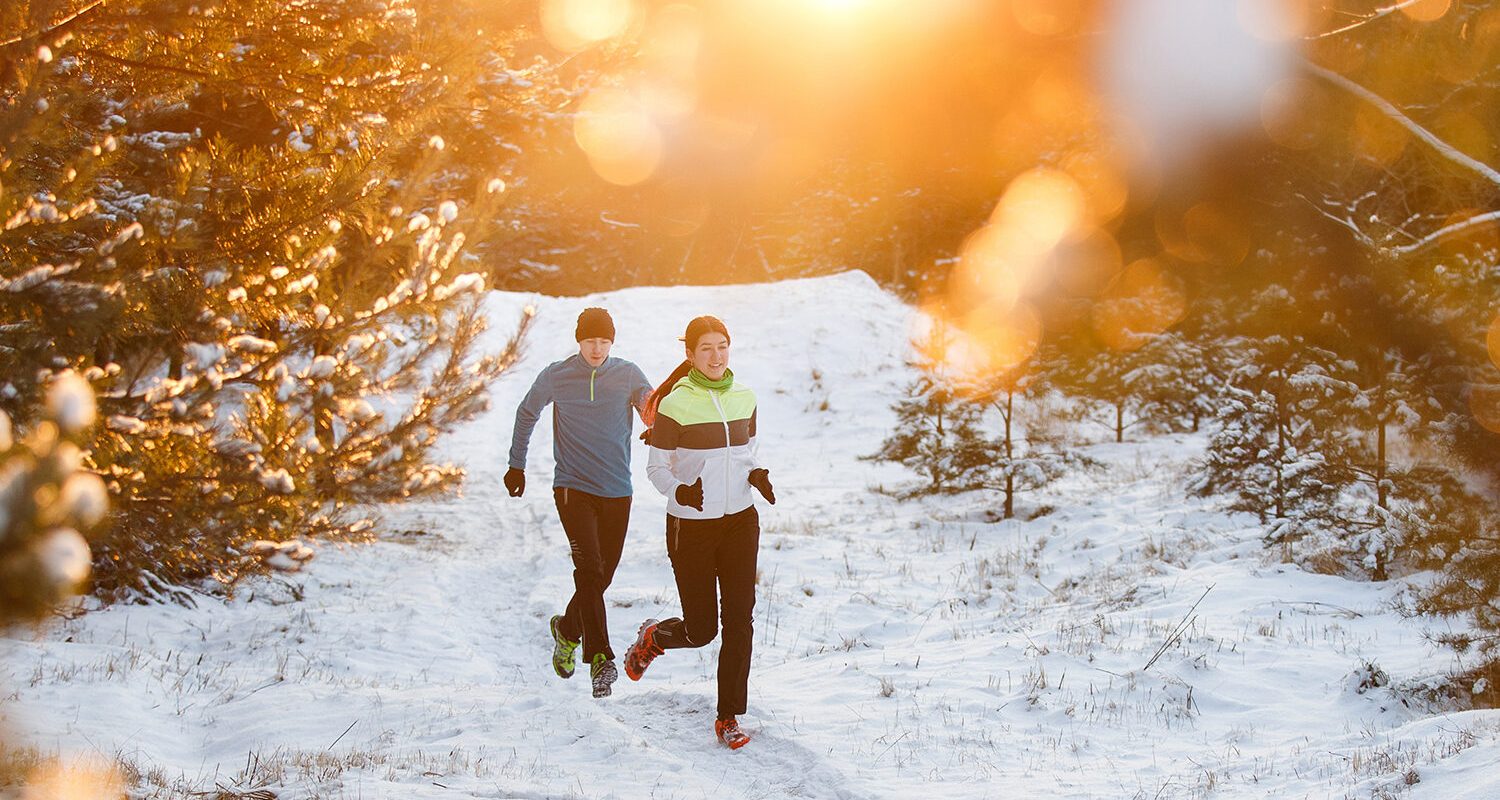
Engage in physical activities during the holiday season, whether it’s going for a walk, hitting the gym, or participating in group sports. Exercise stimulates the release of feel-good chemicals such as dopamine and serotonin and provides a great alternative to drinking when we are looking for that pleasure boost.
Practice stress-reduction techniques
The holiday season can be stressful, and stress can be a trigger for drinking more than planned. Learn and practice stress-reduction techniques such as meditation, sitting down to watch your favorite tv show, or engaging in physical activity. Developing healthier coping mechanisms can help you manage stress without relying on alcohol.
“The holiday season can be stressful, and stress can be a trigger for drinking more than planned.”
Strength in numbers
Surround yourself with friends or family who have similar goals or consumption patterns when it comes to drinking. Being around like-minded people with similar goals can be very helpful in maintaining your own drinking goals.
Whatever your drinking goal for this holiday season, planning ahead with these 20 tips can help you move toward it. Whether you’re aiming to drink less on certain occasions, cut back overall, or take a break from alcohol altogether, reflecting on what you want your relationship with alcohol to look like is an important first step. Taking action, even small steps, can make a meaningful difference.
While change is never easy, any step in the right direction is still progress. Support from a caring, non-judgmental coach or digital tools can make it easier to stay aligned with your goals.
If your organization is exploring ways to support employee wellbeing — including substance use concerns, stress, and mental health — LifeSpeak offers preventative, expert-led resources that can help teams feel supported year-round.
→ Learn how we support employee wellbeing
About the author:
Rebecca Bartlett (RSW/MSW) is a Registered Social Worker in the provinces of British Columbia, Alberta, and Ontario. Rebecca has worked in a variety of Social Work settings throughout her career, including child and youth care, family support, crisis intervention, and substance use care. Rebecca holds a Bachelor of Social Work from the University of British Columbia, a Master of Social Work from the University of Victoria, and numerous postgraduate certificates, including specialties in Cognitive Behavioral Therapy, Dialectical Behavioral Therapy, and Mindfulness-Based Cognitive Therapy. Rebecca is a Virtual Health Coach and the Virtual Health Coach Supervisor LifeSpeak’s Substance Use Support solution, and also works in private practice.
FAQ
How can I set myself up to drink less before a holiday event?
Planning ahead helps more than most people realize. Setting clear goals, choosing lower-alcohol options, eating beforehand, and bringing your own non-alcoholic beverages can make it easier to stay aligned with what you want for the evening.
What should I do if I tend to drink more around certain people or situations?
Identify your triggers early, whether it’s stress, certain social circles, or family dynamics, and think through a simple plan for how you want to respond. Letting someone you trust know about your goals can also help.
What are some practical ways to slow down my drinking during a gathering?
Alternating between alcoholic and non-alcoholic drinks, pacing yourself, savoring your beverage, and limiting access to extra drinks can all support moderation without drawing attention.
How can I handle pressure from friends or family to drink more than I want to?
A short, practiced response can go a long way. You might say, “No thanks, I’m taking it easy tonight,” or “I’m good with what I have.” Having an exit plan, or a trusted person you can check in with, can make moments of pressure easier.
Are there ways to enjoy the holiday season without relying on alcohol?
Yes. Creating new alcohol-free traditions, staying active, or planning get-togethers that focus on connection rather than drinking can all make the season feel more meaningful and enjoyable.
Is it normal to struggle with drinking habits during the holidays?
Absolutely. This time of year brings emotional triggers, busy schedules, and social expectations. It’s very common for people to reassess their drinking or look for ways to cut back. Any step toward the relationship with alcohol you want, even small ones, is meaningful progress.